





Nike has announced the launch of Air Works, a new research, development and design initiative that brings together emerging designers from eight cities to reimagine the future of its Air Max line. The inaugural program will take place from May 11 to May 14 at the company’s headquarters in Beaverton, Oregon.
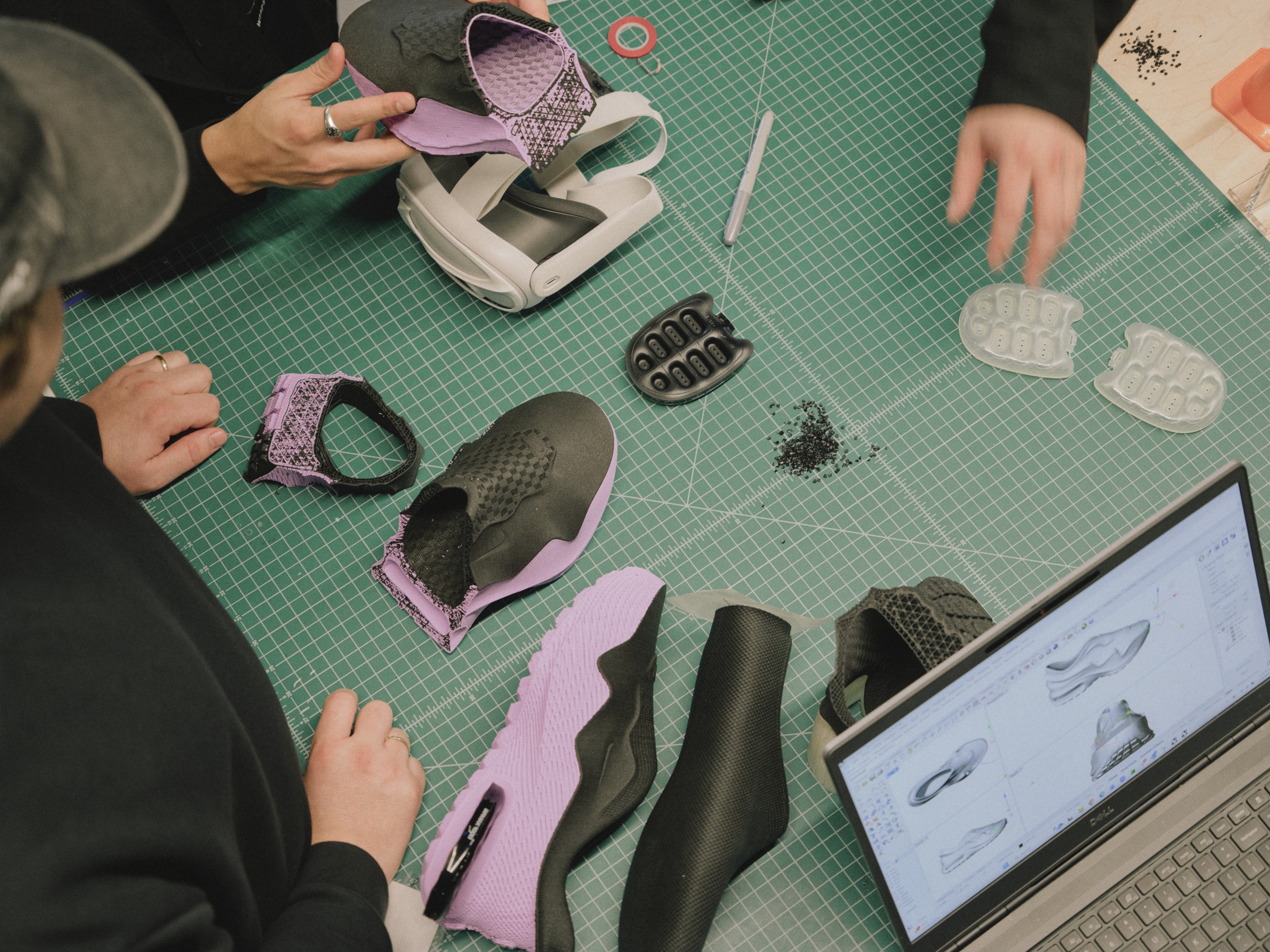
Positioned as both a residency and an innovation lab, Air Works marks a shift in how Nike approaches one of its most recognisable product lines. Rather than relying solely on in-house teams, the company is inviting external designers to work directly with its engineers, archives, and manufacturing infrastructure. The first cohort includes designers from Beijing, London, Los Angeles, Mumbai, New York, Paris, Shanghai and Tokyo. Each participant will travel to Nike’s Philip H. Knight Campus, where they will be paired with mentors across design and engineering. According to Andy Caine, Vice President and Creative Director of Nike Sportswear, the program is intended to merge outside perspectives with internal capabilities. “Air Works is about celebrating the cultural impact of Air Max and inviting a core group of global creatives to imagine what its future could look like,” he said. The program also serves as an immersion into Nike’s internal systems. Participants will visit the Air Manufacturing Innovation facility, the Department of Nike Archives, the Nike Sport Research Lab, Blue Ribbon Studio and the Bowerman Footwear Lab—spaces typically reserved for in-house development.
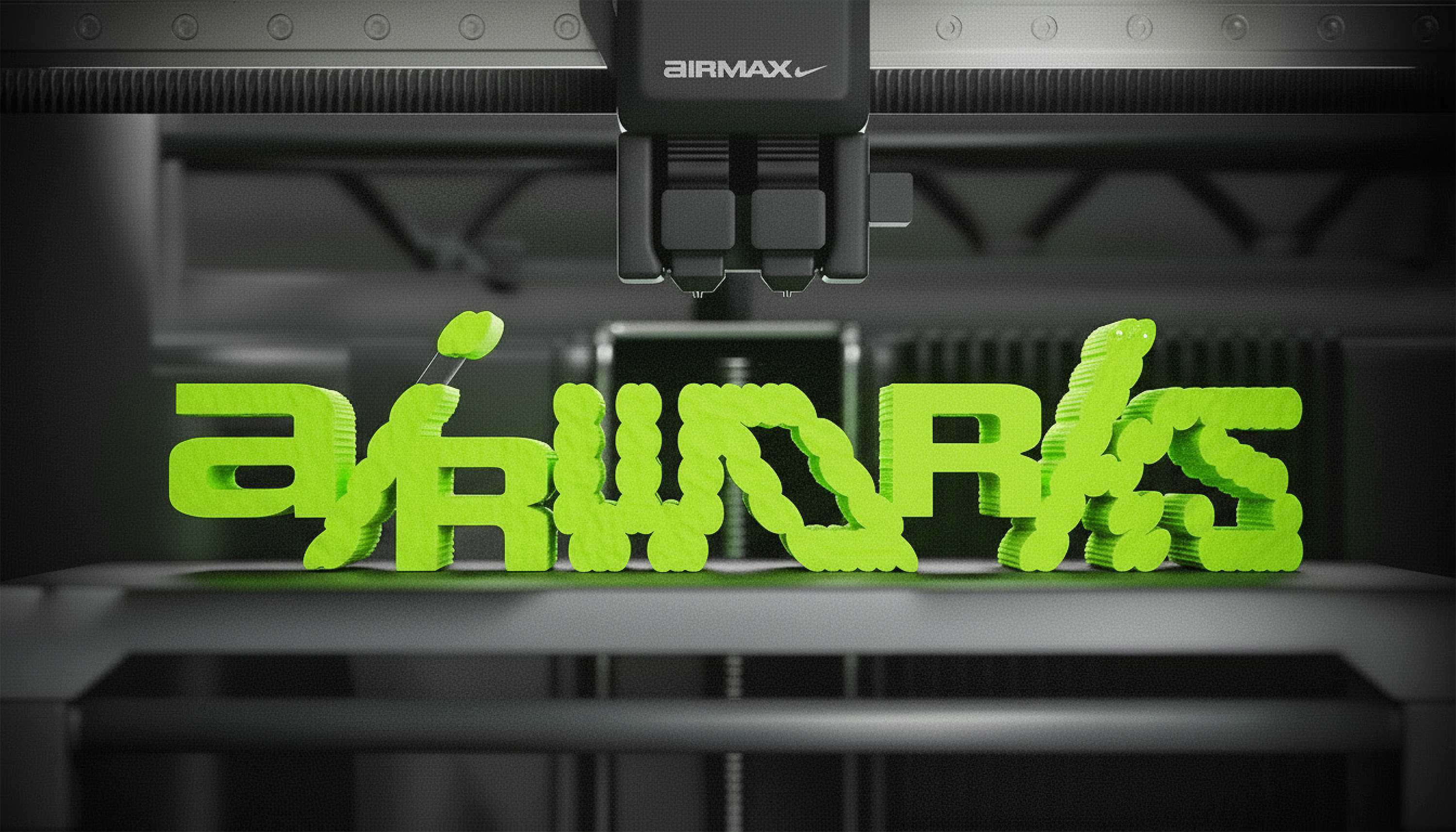
At the centre of the program is a focus on 3D printing. Each designer will develop a new Air Max concept in collaboration with Zellerfeld, the German company known for producing fully 3D-printed footwear. The use of additive manufacturing allows for a shift away from traditional sneaker production cycles. Instead of standardised tooling and mass replication, designers can produce highly specific forms that reflect individual design languages and local references. Each project is expected to engage with Nike’s four-decade history of Air technology while proposing new material and aesthetic directions. The resulting works are not positioned as immediate commercial releases but as experimental propositions grounded in both heritage and personal narrative.
Following the Beaverton residency, each designer will release a limited “friends and family” version of their shoe within their home city. These small-scale launches will take place over the coming year, culminating in a broader moment of visibility around Air Max Day 2027. This distribution model places emphasis on local context rather than global rollout. By anchoring each design in its originating city, Nike is framing Air Max not as a uniform product but as a series of culturally specific expressions.
First introduced in 1987, Air Max has remained one of Nike’s most enduring platforms, evolving through visible air units, collaborations, and shifting design languages. Air Works suggests a new phase in that trajectory—one where authorship is partially decentralised and experimentation is foregrounded. While Nike has yet to announce the names of the participating designers, the structure of the program indicates a broader interest in aligning product innovation with cultural production. The outcome will not only be measured in footwear prototypes, but in how effectively the program translates local identity into a global design system.