





Rather than a conventional biography, the film follows Jacobs through the making of his Spring 2024 collection, building a portrait through observation rather than retrospective commentary. The film’s structure is closely tied to the relationship between its subject and director. Jacobs and Coppola met in early 1990s New York, at a moment when both were forming their creative identities within overlapping downtown circles. What began as a shared interest in fashion, film, and music developed into a long-standing exchange. Coppola moved between Los Angeles and New York but remained embedded in that scene—working on projects like X-Girl with Kim Gordon—while Jacobs was building the visual language that would define his early career.
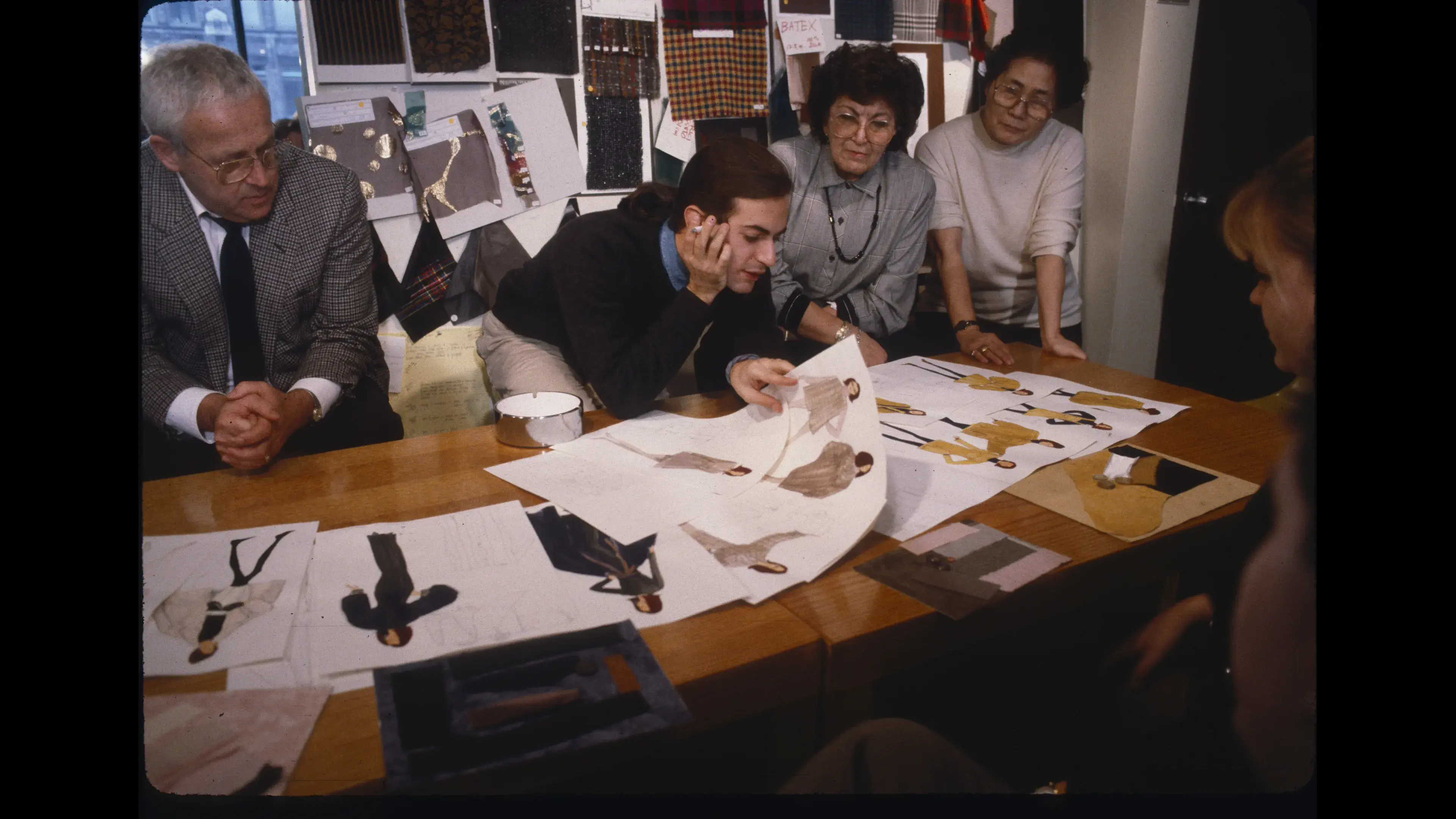
Rather than a conventional biography, the film follows Jacobs through the making of his Spring 2024 collection, building a portrait through observation rather than retrospective commentary. The film’s structure is closely tied to the relationship between its subject and director. Jacobs and Coppola met in early 1990s New York, at a moment when both were forming their creative identities within overlapping downtown circles. What began as a shared interest in fashion, film, and music developed into a long-standing exchange. Coppola moved between Los Angeles and New York but remained embedded in that scene—working on projects like X-Girl with Kim Gordon—while Jacobs was building the visual language that would define his early career.
Their connection extended beyond proximity. The press notes describe a kind of ongoing dialogue shaped by shared references—everything from Fassbinder films to Fiorucci and The Supremes—carried forward across decades of work. By the late 1990s and early 2000s, their careers had evolved in parallel. Jacobs transformed Louis Vuitton into a platform for artist collaborations and contemporary fashion, while Coppola established herself as a filmmaker with The Virgin Suicides and later Lost in Translation. Their collaboration surfaced publicly at moments—Coppola appearing in Jacobs campaigns, Jacobs referencing her films—but largely remained an ongoing private exchange.
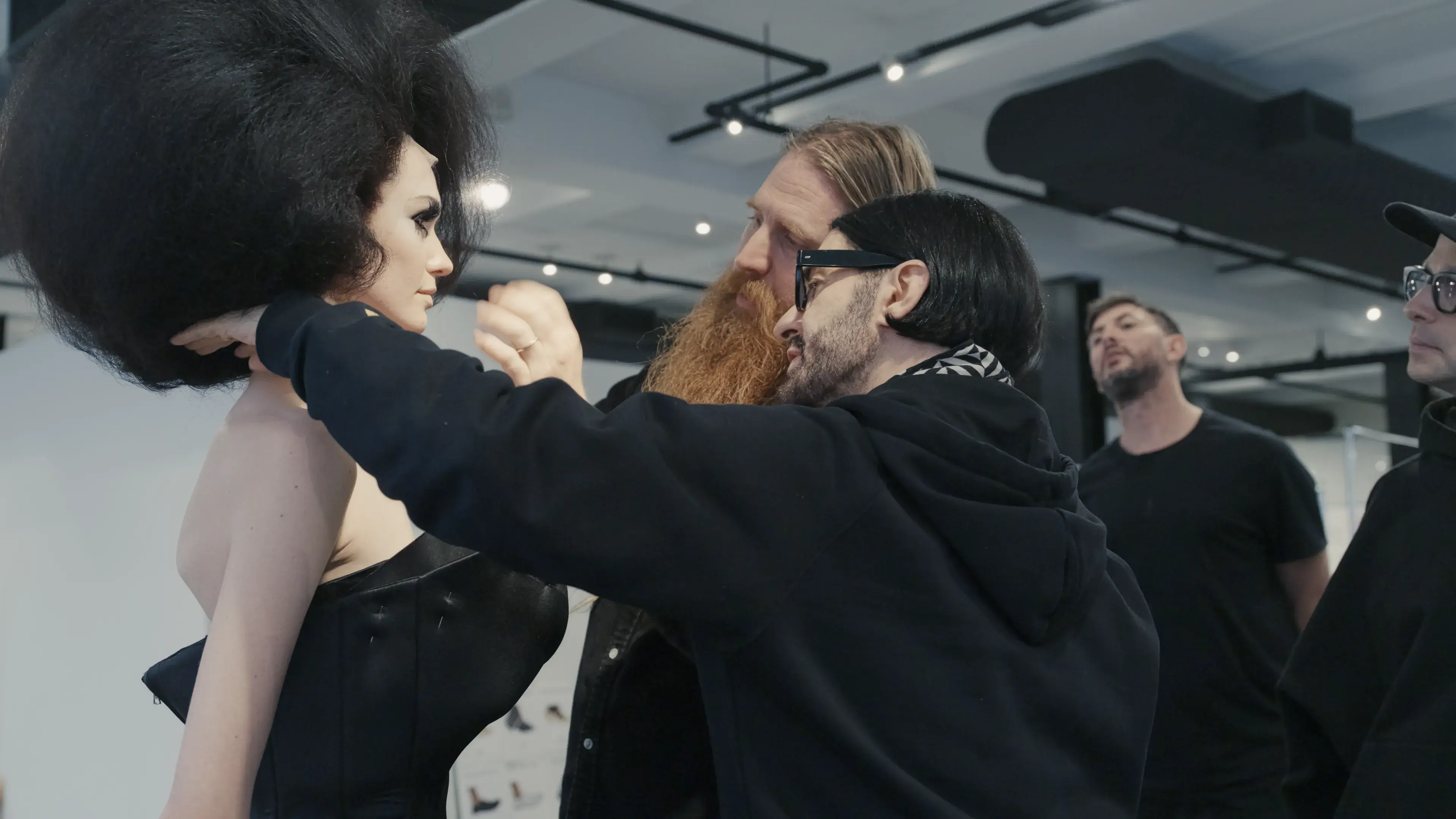
That history shapes how the documentary is made. Coppola is not introduced as an external observer but as someone already embedded in Jacobs’ working environment. The film moves through his studio, fittings, and backstage moments with a level of access that reflects that familiarity. The focus remains on process: how a collection takes shape through small decisions, conversations, and revisions. Rather than explaining Jacobs’ career, the film shows how his references—drawn from film, music, and personal history—are filtered into the work in real time. The documentary is anchored around the Spring 2024 show, giving it a fixed point in time. This structure allows Coppola to follow the progression from early ideas to final presentation, while also capturing the intensity of the moments leading up to the runway. At the same time, the film folds in archival material—sketches, past collections, visual references—creating a layered view that moves between past and present without separating them.
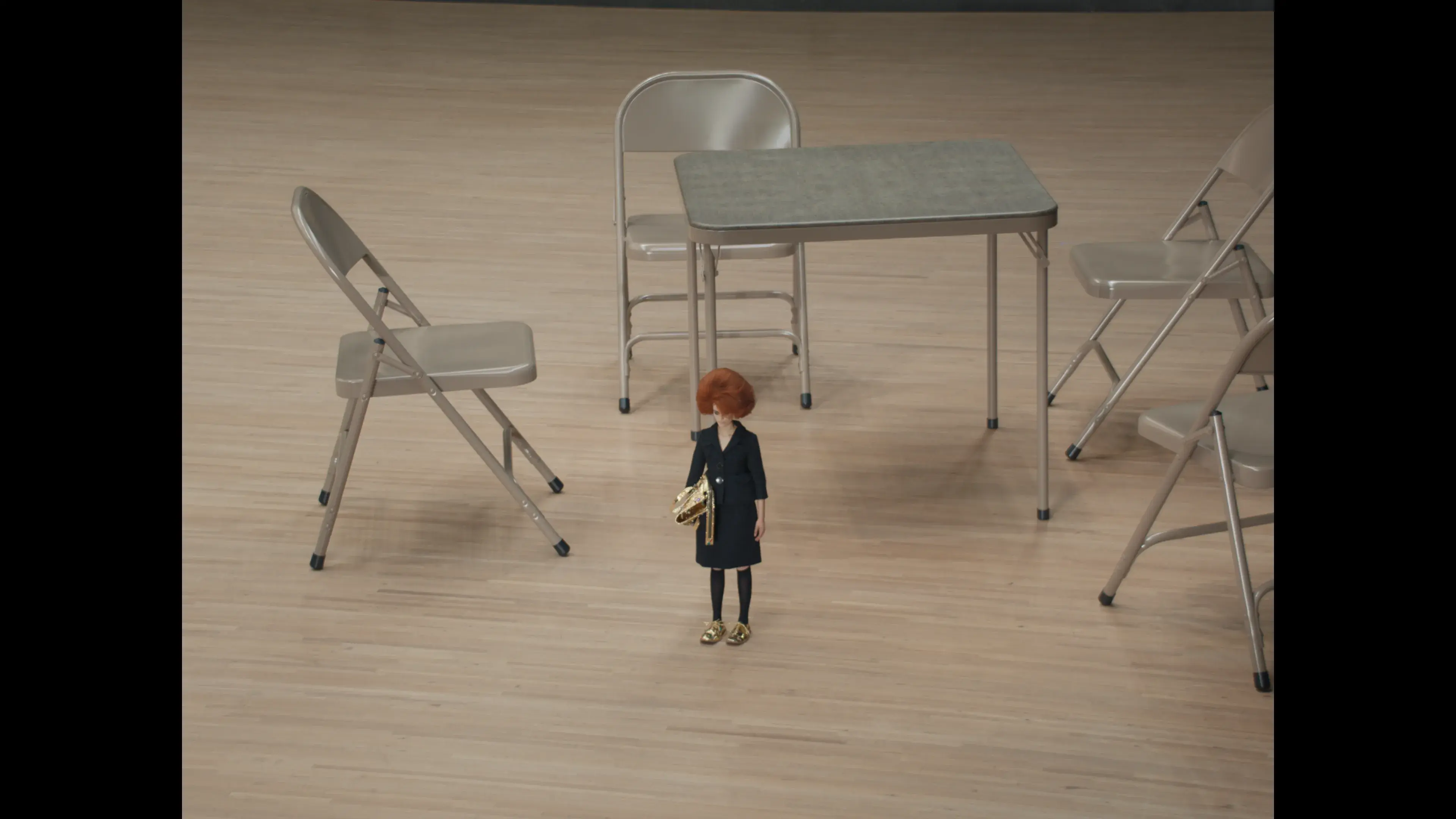
Marc by Sofia functions as both a record of a collection and a document of a relationship. It reflects a dynamic built over decades, where influence moves in both directions—through shared references, ongoing conversations, and parallel ways of working.
Produced by This Machine Filmworks, the film marks Coppola’s first documentary feature and adds to A24’s growing nonfiction slate.