





The Danish photographer Jette Bang had a rare ability to move between very different worlds with a camera. During her relatively short life—from 1914 to 1964—she documented Arctic communities, Danish everyday life, and the desert cultures of the Middle East. Her photographs feel calm and observational, but they often capture societies at moments of quiet transformation.
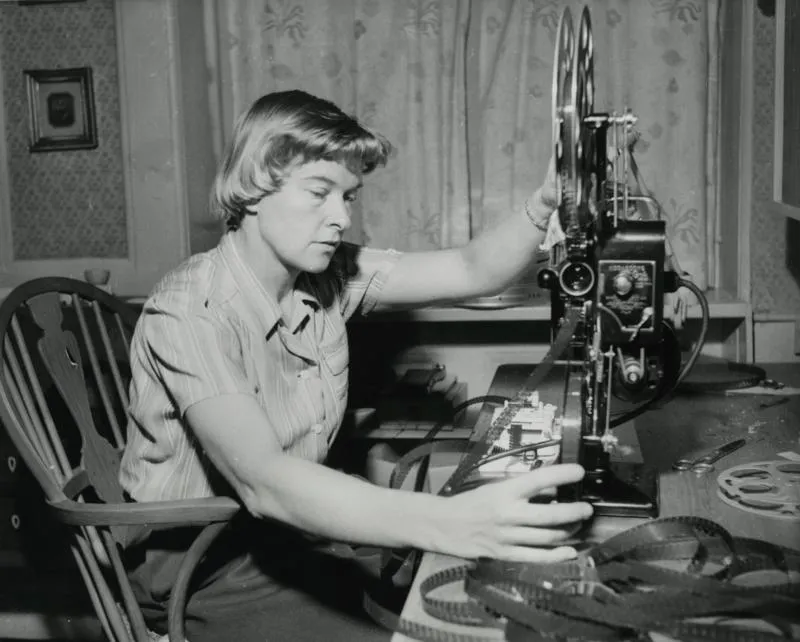
Bang was born in 1914 in Frederiksberg and grew up near Copenhagen’s harbor, where ships regularly departed for Greenland. The presence of those ships seems to have sparked her curiosity early on. After studying philosophy and completing an apprenticeship with the photography firm Jonals Co., she decided to pursue an ambitious idea: to travel to Greenland and document life there through photography. Her first journey north came in 1936. Traveling largely at her own expense, Bang spent months living among Greenlandic Inuit communities, often traveling by dog sled and sharing daily routines with the families she photographed. Rather than focusing on landscapes or exotic imagery, she turned her camera toward people—their gestures, their work, and their everyday interactions. Over the following years she returned several times, eventually producing thousands of photographs and a number of documentary films about life in Greenland. These images quickly made her one of Denmark’s most recognized documentary photographers.
Her 1940 book Grønland introduced many Danes to a visual portrait of the region that was both intimate and respectful. Instead of portraying Greenlanders as distant subjects, Bang photographed them as individuals—families gathered inside homes, hunters preparing for journeys, children moving through snowy settlements. The closeness of these images set her work apart from earlier Arctic photography. But Bang’s curiosity was not limited to the north. Throughout her career she also worked with film and travel photography, gradually expanding the geographical scope of her projects. In 1959 she joined a Danish anthropological expedition led by archaeologist P. V. Glob and traveled to Qatar, where she spent several months documenting Bedouin communities in the desert. Together with ethnographer Klaus Ferdinand, Bang followed nomadic tribes across the Qatari peninsula, photographing daily life in camps and desert landscapes. Over roughly three months she produced more than a thousand photographs and filmed material that later became the documentary Beduiner (1962).
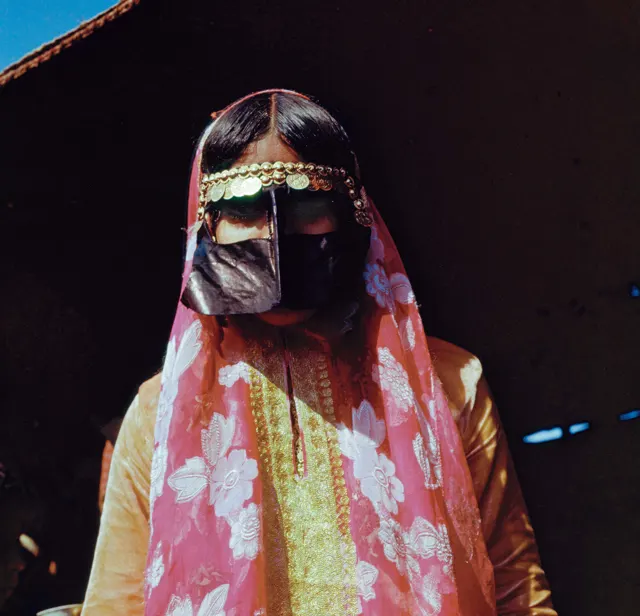
Looking back today, these images have gained particular significance. They show Doha and the surrounding desert culture just before the country’s rapid modernization driven by oil wealth. What Bang captured was a world that was about to change dramatically: nomadic life, traditional trade, and small desert communities existing long before the skyscrapers and global visibility of modern Qatar.Across all of these projects—whether in Greenland, Denmark, or the Middle East—Bang maintained a consistent photographic approach. She preferred to spend time with the people she photographed, building enough trust that the camera could simply observe rather than interrupt. This patience allowed her to capture moments that feel natural rather than staged.Her work also moved easily between still photography, books, and film. In addition to her photographic projects, Bang directed several documentaries, including the color film Inuit (1938), as well as later films about Greenlandic communities and Arctic culture.
Jette Bang died in 1964 at the age of fifty, leaving behind an archive of roughly twelve thousand photographs. Today her work is preserved in institutions such as the Arctic Institute in Copenhagen and continues to appear in exhibitions and research projects.Seen together, her photographs form something larger than a travel record. They show a photographer moving carefully through different environments—from polar ice to desert sand—trying to understand how people live within them. The result is a body of work that quietly connects distant places, revealing the shared rhythms of everyday life across cultures.