





When Demna began presenting work for Gucci, the debut did not arrive in a single runway moment. Instead, the designer introduced his direction through three consecutive projects: the image campaign La Famiglia, the lookbook collection Generation Gucci, and the runway show Primavera.
The sequence unfolded over several months and across different formats. First came a campaign of portraits. Then a pre-collection of clothes. Only afterward did the full runway presentation appear at Milan Fashion Week. Each step focused on a different element of the house: characters, garments, and finally staging.
The first prelude to Demna’s Gucci appeared as a campaign titled La Famiglia. Photographed by Catherine Opie, the project presented a series of individual portraits rather than a traditional advertising narrative.
Each image corresponded to a named character associated with a particular wardrobe. On Gucci’s own presentation page, the figures appear under titles such as La VIP, Gallerista, Nerd, and Ragazzo della porta accanto. The emphasis falls less on family as a literal group than on a social ecosystem of personalities. The format suggests a broader universe surrounding the brand. Instead of positioning Gucci through a single model or celebrity, the campaign assembles a roster of archetypes—people who might plausibly exist within the same cultural orbit. The clothes themselves are present but secondary. The primary focus is the identity attached to them.
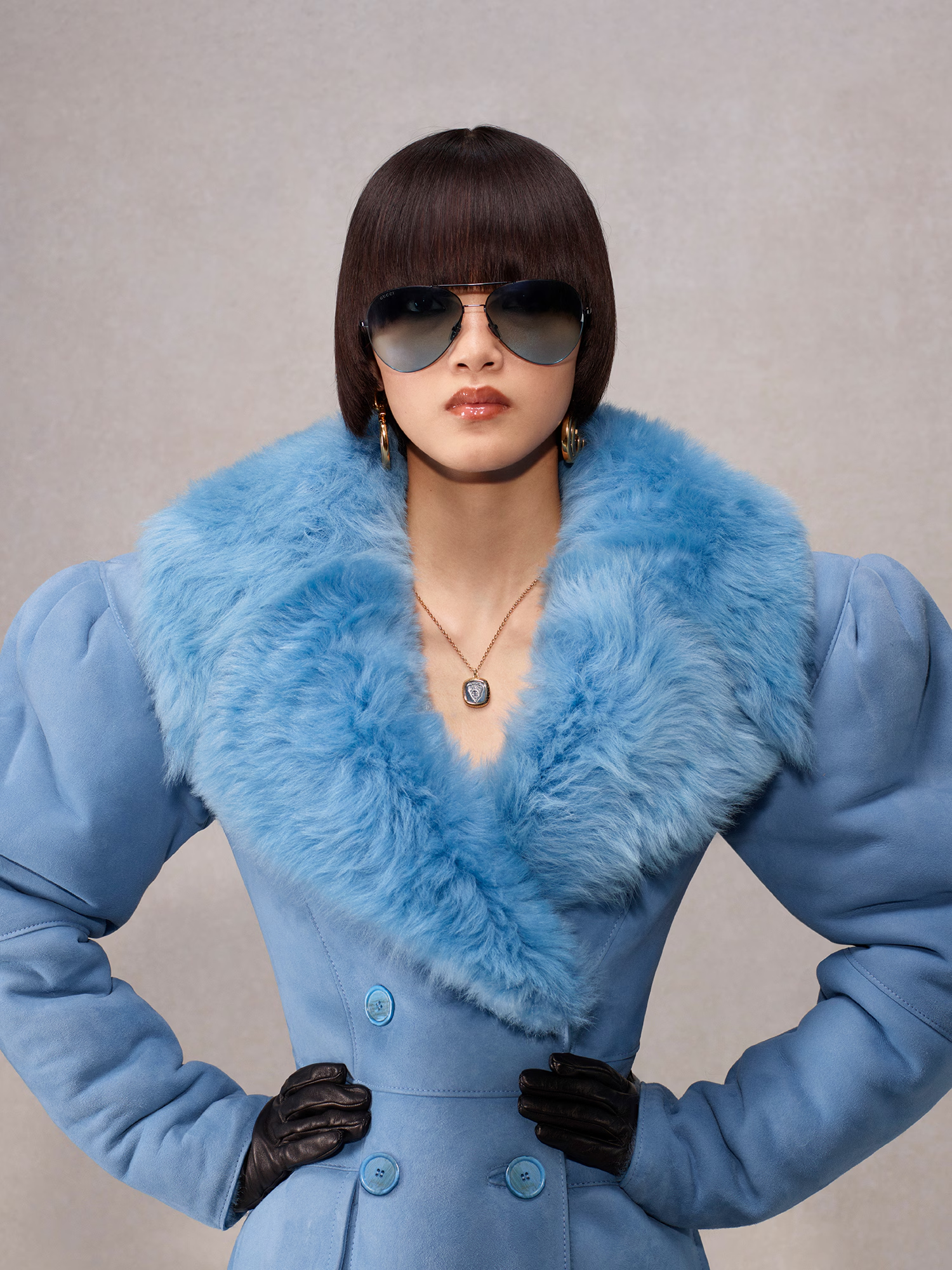
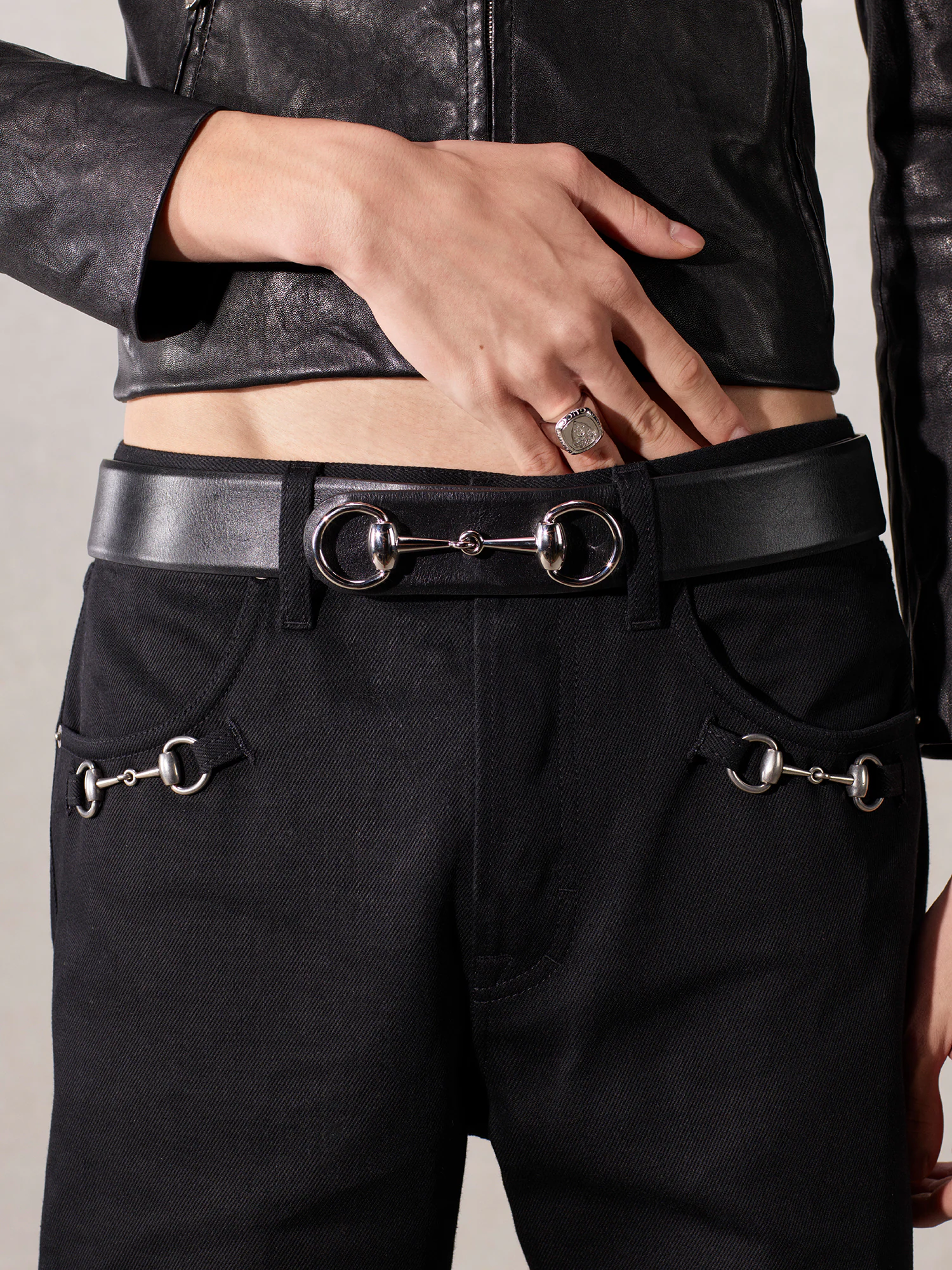
If La Famiglia introduced the people, the next project introduced the garments. Generation Gucci, released as a pre-collection lookbook, provided the first sustained view of Demna’s design language for the house. The silhouettes were notably controlled: slim trousers, sharply fitted jackets, and streamlined coats. Several elements referenced established Gucci codes. Belts carrying the interlocking GG emblem appeared frequently, while metal horsebit hardware surfaced across footwear and accessories. The styling avoided elaborate layering. Instead, the images isolate individual garments so that their construction and proportions remain visible. In effect, the lookbook works like a vocabulary list. Before the runway spectacle arrives, the designer clarifies the core pieces.
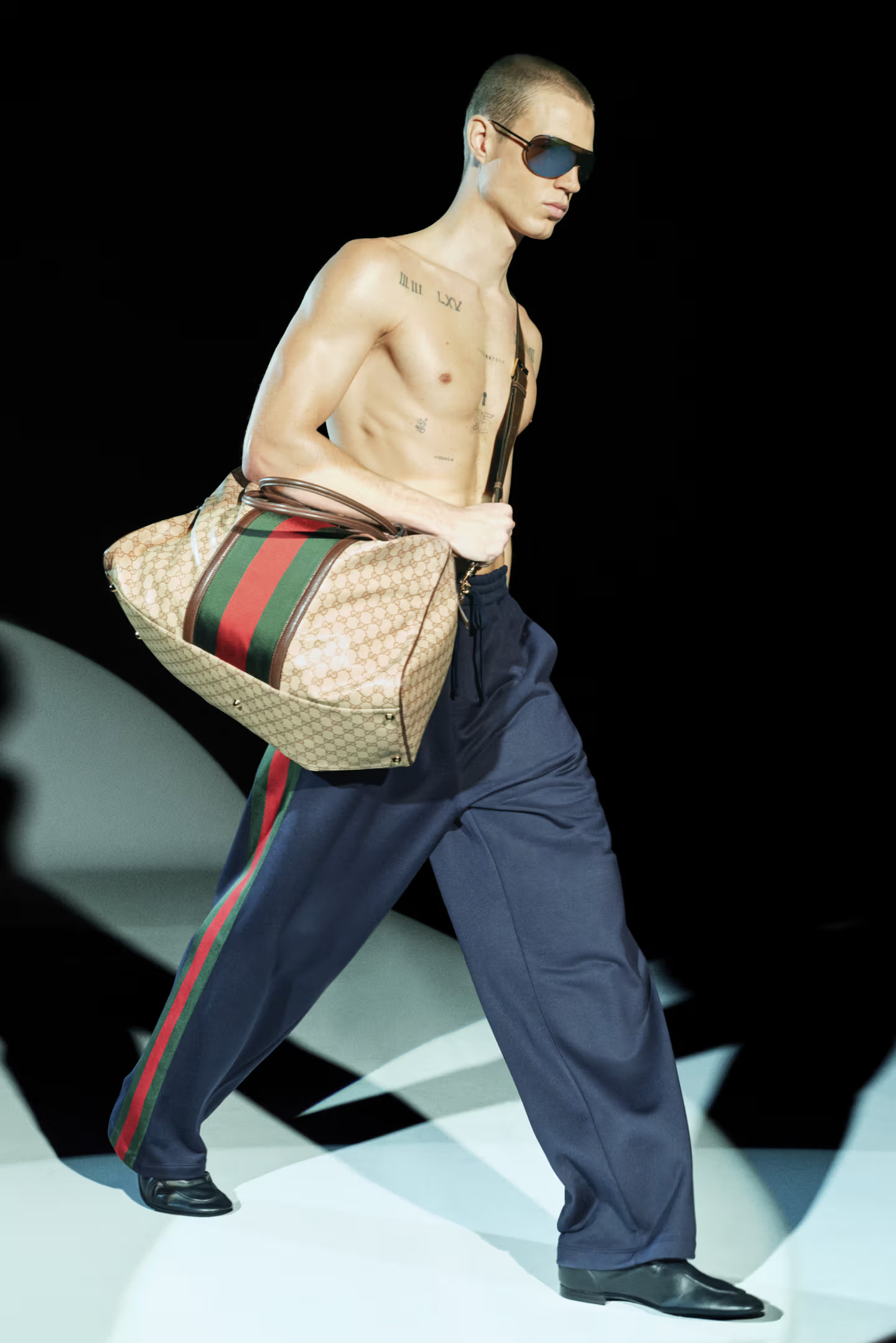
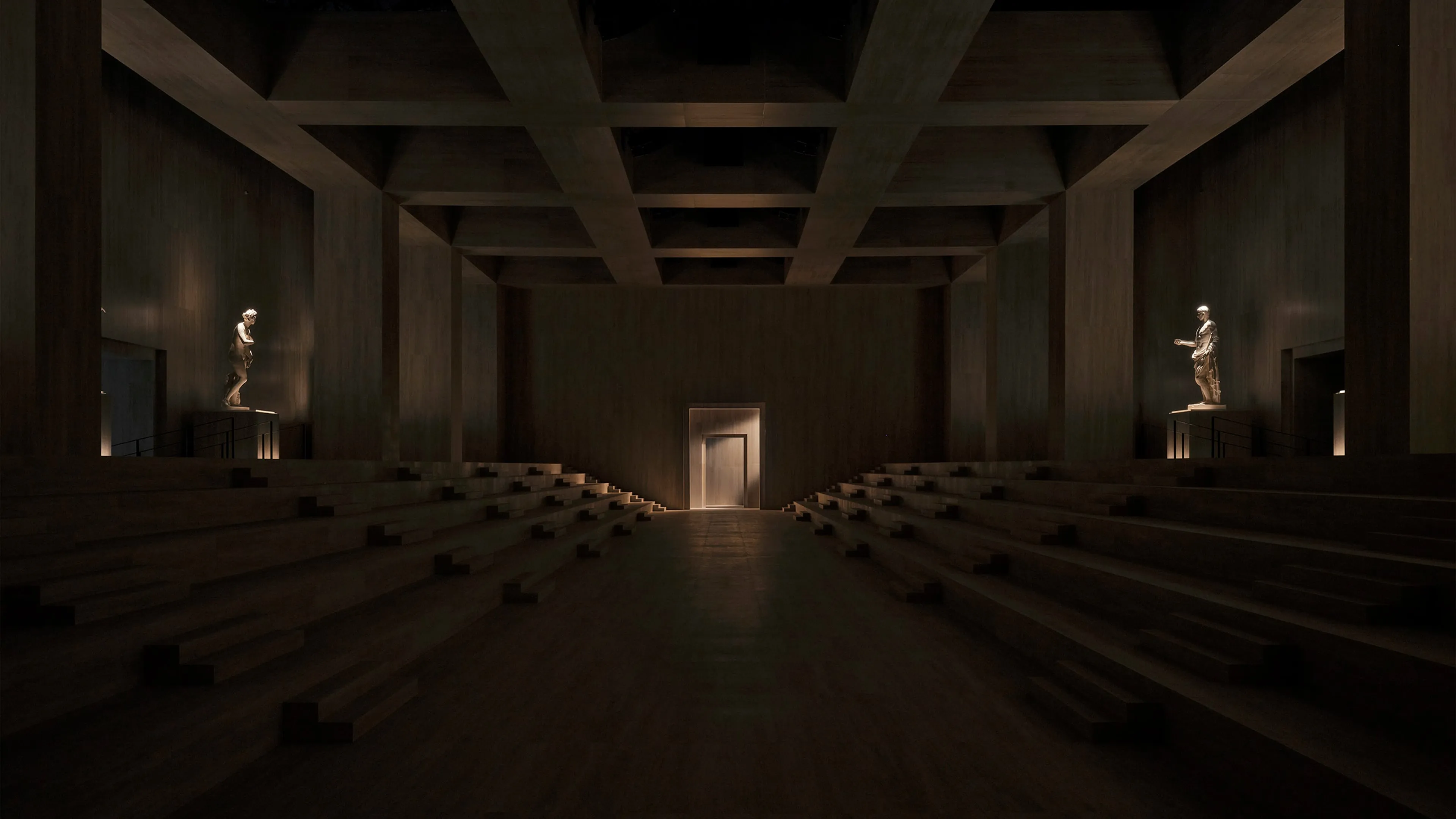
Demna’s first runway show for Gucci appeared under the title Primavera, referencing the Renaissance painting by Sandro Botticelli housed in Florence’s Uffizi Gallery. The show expanded the ideas introduced in the earlier projects. Models walked in sharply defined silhouettes: slim tailoring, sheer hosiery fabrics used as dresses or tops, and accessories featuring prominent hardware. Horsebit heels, logo belts, and metallic details anchored many of the looks.
The casting extended the logic of La Famiglia into the runway. Alongside established models, the show brought together a mix of figures from fashion, art, and internet culture, including Kate Moss, Alex Consani, and fakemink. The lineup moved between recognizable industry names and less conventional participants, producing a cast that felt assembled rather than standardized. As in the campaign, the emphasis shifted from anonymity to presence: individuals appeared not just to wear the clothes, but to situate them within a broader cultural field. The overall effect recalled a form of streamlined sensuality associated with Gucci’s late-1990s era under Tom Ford, though filtered through Demna’s sharper graphic language. Where the campaign emphasized characters and the lookbook clarified garments, the runway show assembled both elements into a single system.
Gucci’s identity has historically revolved around a set of recognizable objects. The horsebit loafer introduced in the 1950s links the house to equestrian imagery. The bamboo-handled handbag emerged during the postwar years when leather shortages required experimentation with alternative materials. The green-red-green web stripe became a signature motif across luggage and accessories. Successive creative directors have reorganized these elements in different ways. Alessandro Michele layered ornate references and historical styling onto the same framework during his tenure beginning in 2015. Demna’s early collections suggest a more reductive strategy. Instead of multiplying references, the designer isolates existing codes and places them within more controlled silhouettes. The archive remains intact, but its arrangement shifts. Because Gucci occupies one of the most visible positions in the global luxury market, each creative transition at the house attracts unusual attention. Demna’s early projects have therefore been interpreted not only as aesthetic statements but as signals about the brand’s broader direction. By releasing La Famiglia, Generation Gucci, and Primavera in sequence, the designer avoided a single defining reveal. Instead, the debut unfolded through a gradual introduction. First the characters. Then the clothes. Finally the runway environment that brings both together.
Demna’s first months at Gucci read less like a radical break than a process of editorial revision. The symbols associated with the house—horsebits, logos, belts, slim tailoring—remain recognizable. What changes is the framework in which they appear. The campaign constructs a cast of characters. The lookbook establishes the garments they wear. The runway show places them inside a theatrical setting. Together, the three projects outline the opening structure of Demna’s Gucci: a familiar archive rearranged into a new narrative.